
Auschwitz I

Explore the history of Auschwitz I, a poignant symbol of the Holocaust. Uncover the tragic stories within the walls of this former Nazi concentration camp, where millions of innocent lives were forever changed. Discover the museum’s commitment to education and remembrance, urging visitors to reflect on the past and strive for a future free from prejudice and injustice. Plan your visit to Auschwitz I to honor the memory of those who suffered and to ensure that the lessons of history are never forgotten.

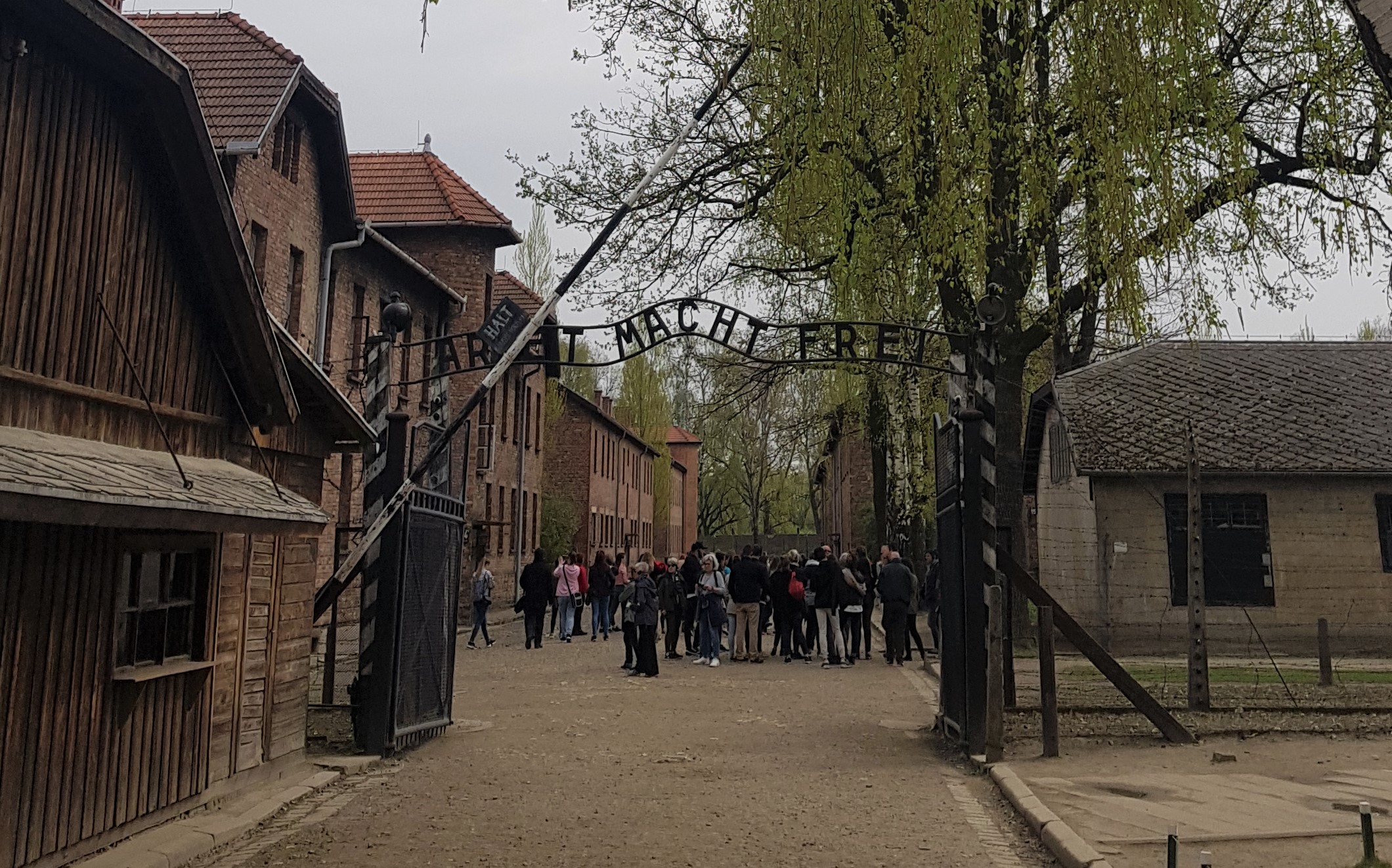
photo of the entrance gate to Auschwitz I and the inscription Arbeit macht Frei

The Auschwitz I Museum is a Memorial Site located on the grounds of the former Nazi concentration camps in Oświęcim, in the south of Poland. Today, the museum serves primarily as a symbol of remembrance of the victims who died there and the atrocities that happened there. Auschwitz is proof of the things that Nazi Germany did to the population during World War II.

The Auschwitz I Museum is a thought-provoking testimony to the horrors of the Holocaust and an example that should remind us of what happened there and warn us not to let history repeat itself.

Visitors learn about the history of the camp and its functioning, there are preserved barracks, elements of gas chambers and a crematorium.

The history of the extermination camp:

During World War II, the Germans built in Oświęcim the largest extermination camp in the history of mankind, KL Auschwitz-Birkenau. The KL Auschwitz camp was established by the Germans on the site of the former Polish military barracks. The first transport to the camp was the transport of prisoners from Tarnów – 728 people, on June 14, 1940.

The Auschwitz camp consisted of three sub-camps: the oldest, KL Auschwitz I and KL Auschwitz II-Birkenau (in Brzezinka) and KL Auschwitz III-Monowitz ( in Monowice), established in 1941–1942. During the withdrawal, the Germans blew up the gas chambers and crematoria in Birkenau and partially burned the barracks. The camp was liberated on January 27, 1945. Two years later, the State Museum in Oświęcim was established on the grounds of the main camp of KL Auschwitz I (since 1999 it has functioned as the State Museum of Auschwitz-Birkenau in Oświęcim).
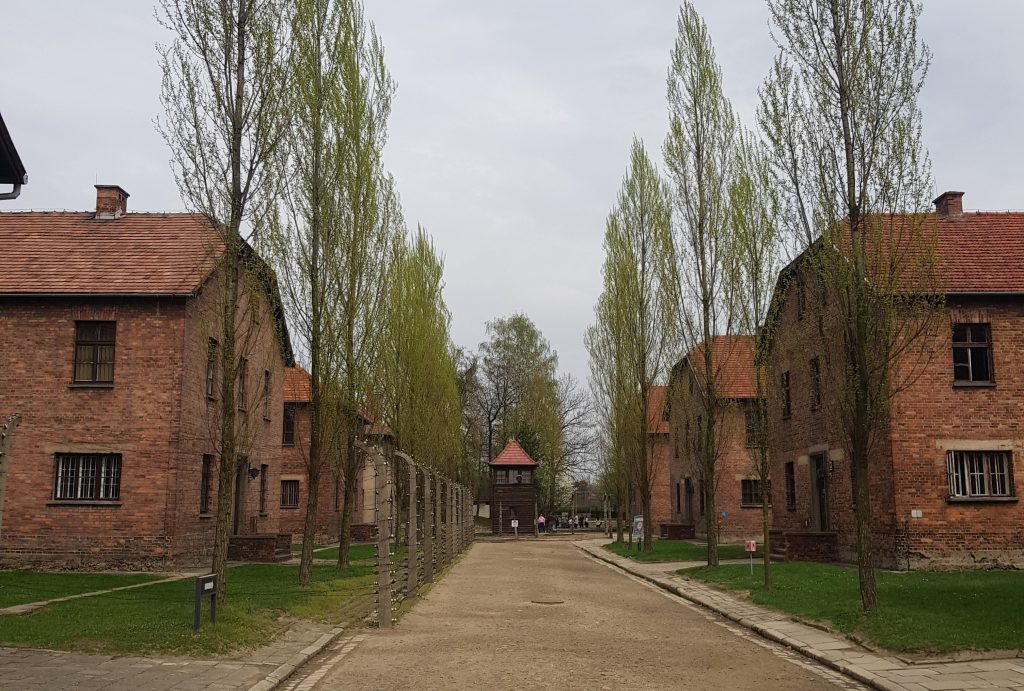
Auschwitz I barracks
barracks and fence Auschwitz Birkenau I

It is not only a memorial site and a museum.

In 1979, the museum was inscribed on the UNESCO World Heritage List. The museum consists of two preserved parts of the Auschwitz I camp (with an area of ​​20 hectares) and Auschwitz II-Birkenau (with an area of ​​171 hectares). Within the boundaries of the Museum there are post-camp buildings and ruins, including the ruins of the gas chambers and crematoria.

The former KL Auschwitz camp is visited annually by over a million visitors (Polish and foreign tourists, official delegations, state leaders, representatives of international social and religious organizations).

20220728 103920
20220728 103920

Entrance ticket to Crown Treasury and Armoury

Before you book:
The start time may be slightly changed up to 30 minutes on either side. You will be informed if there will be any changes necessary.

Ticket Redemption: 
Your tickets are valid on the date and time indicated on the ticket. Being late may result in the inability to enter the exhibition.

Ticket Type:
Non-refundable

12€
per person

Book Your Entry Tickets to Auschwitz Birkenau Museum

Blok w srodku
Blok w srodku

Auschwitz: Guided Tour Fast Track Tickets

Available in:
EN English, fr French, ES Spanish,
ITA Italian, DE GermanPL Polish

Overview:
Pay your respects to the victims of the Holocaust by visiting Auschwitz-Birkenau. Pre-book your entrance ticket to join a guided tour at Auschwitz-Birkenau where you will know the stories about this place.

Highlights:

  • Plan your visit in advance and make sure you enter the museum.
  • Listen to the stories from an official Auschwitz guide
  • Visit Auschwitz I where you will spend 1.5-2h
  • Discover Auschwitz Birkenau during the tour for approx. 1-1.5h
From 24.99€
per person