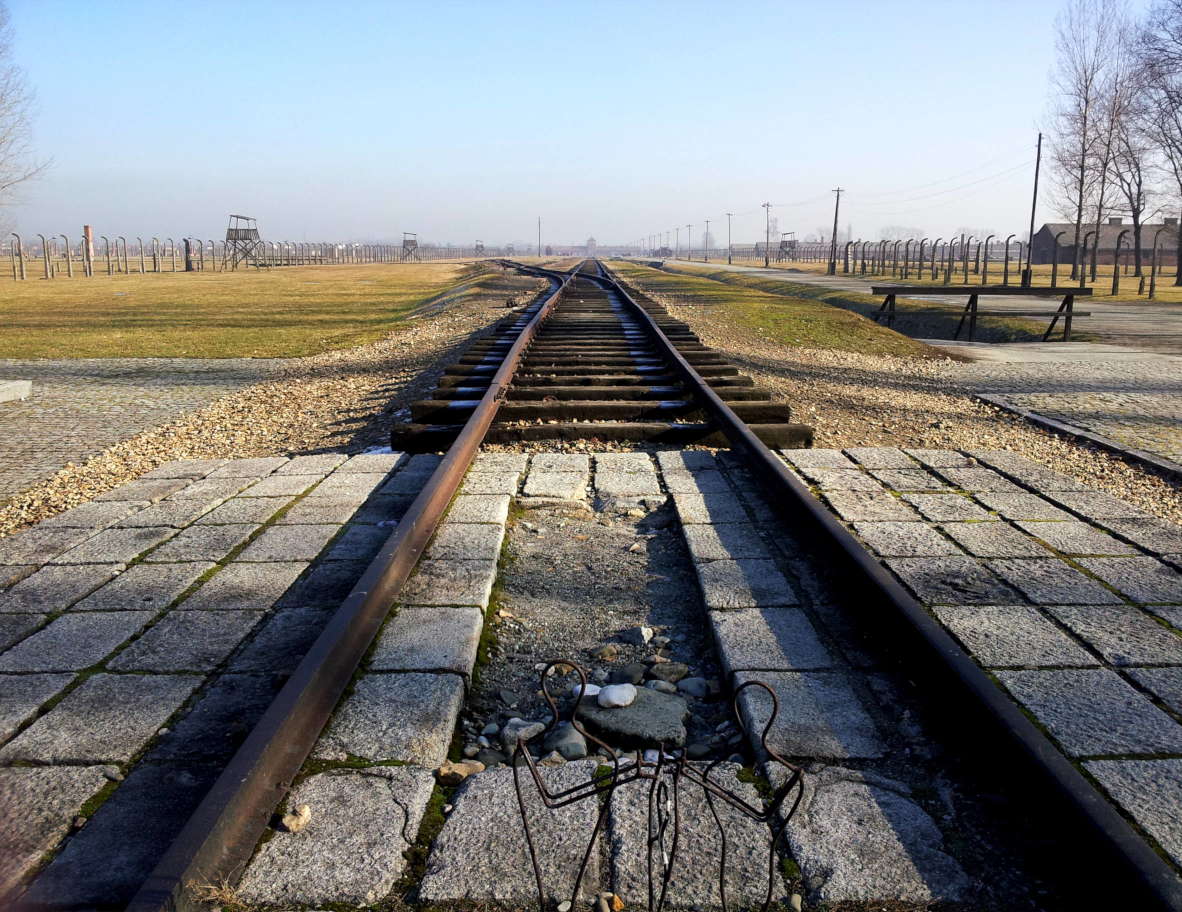
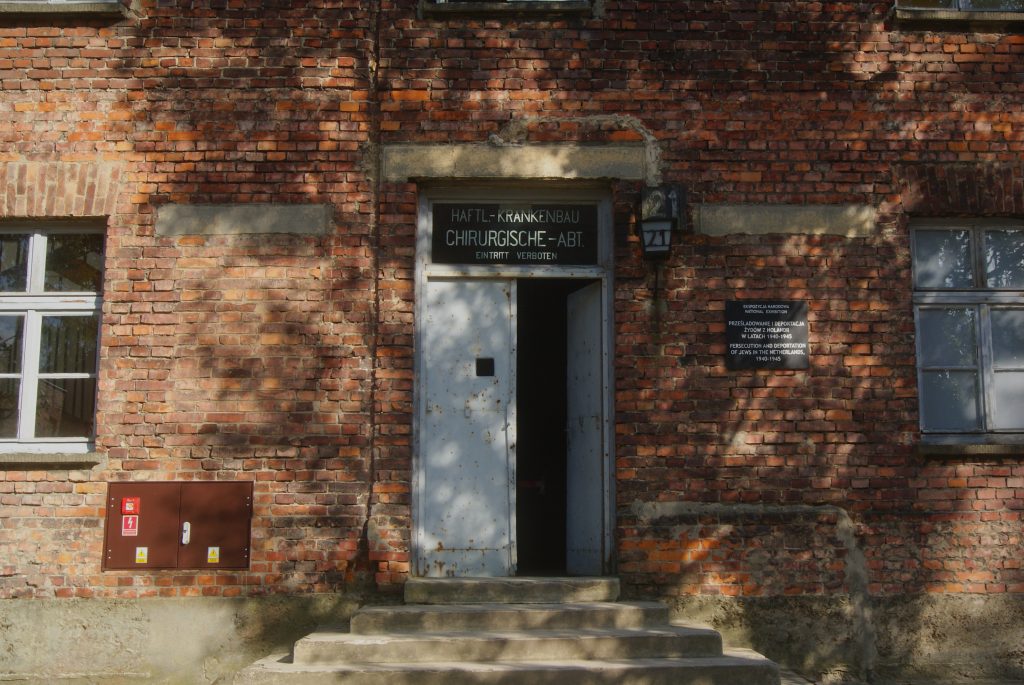
Auschwitz-Birkenau, one of the cruelest concentration camps in history, is a place that will forever remain in our memory as a symbol of human suffering and cruelty. The history of this place is steeped in tragedy, but understanding it is integral to make sure that we never forget the past.
Origination of the Camp: Purpose and Destiny
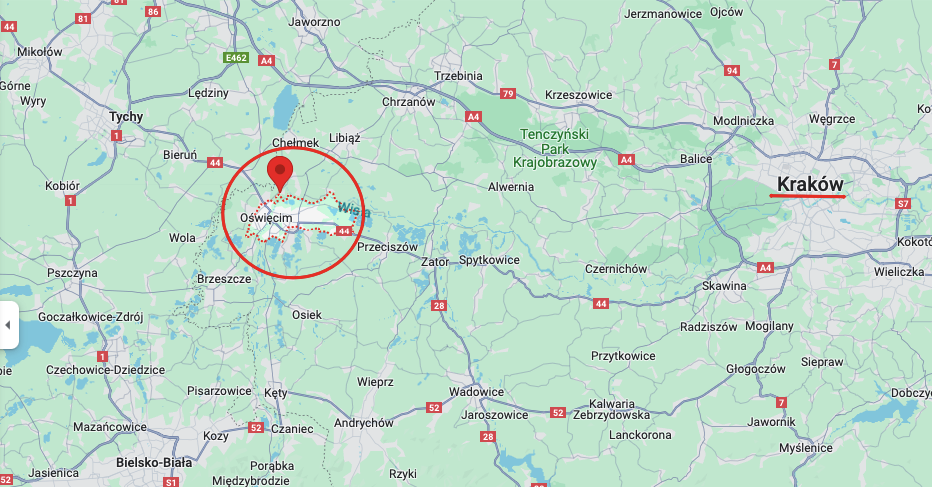
Auschwitz-Birkenau was created by the German Nazi authorities in 1940, on the suburbs of Oswiecim.
Its original purpose was to imprison political opponents of the regime. However, as the World War II developed, Auschwitz became a major center for the extermination of Jews and other groups deemed “unworthy of life” by the Nazis.
The complex embraced Auschwitz I, Auschwitz II-Birkenau, and Auschwitz III, with more than 40 sub-camps using prisoners for forced labor.
The camp area was isolated, creating a so-called zone of interest over 40 square kilometers, depriving the local population their home.
Why Oswiecim?
Auschwitz became the site for the Auschwitz camp mainly because of the rapid increase in the number of arrests of Poles and the overcrowding of existing prisons. The location at the fork of the Sola and Wisla rivers offered the prospect of eventual expansion of the camp and its isolation from the surrounding world.
The city’s location in the central part of occupied Poland made it easy to transport prisoners from different regions. There were chemical plants in the vicinity of Oswiecim that could be used to produce the poisonous agents used in the gas chambers.
The area enabled Nazi planners to carry out their dark intentions. On June 14, 1940, the first transport of 728 Polish political prisoners arrived at KL Auschwitz from the prison in Tarnow. It was there, on the grounds of Auschwitz, that began one of the darkest pages in human history.
Statistics
The number of survivors was small compared to the total number of prisoners. Living conditions, starvation, disease and cruel treatment meant that many did not survive.
Already in 1940, the number of prisoners reached nearly 8,000, mostly of the people of Poland, with a small number of Jews.
The next year, the number of prisoners grew to more than 26,000. In 1942, about 197, thousand Jews were brought in.
In 1943, about 270 thousand.
In 1944, more than 600 thousand.
It is estimated that in five years about 1.5 million people lost their lives in the camp. Most of the victims were Jews – about 1 million. Among the victims were also Polish people – 70-75 thousand, as well as Gypsies – about 20 thousand. About 15, thousand Soviet prisoners of war, as well as 10-15 thousand prisoners of other nationalities, including Czech, Belarusians, Yugoslavs, French, Germans and Austrians.
Life in Auschwitz
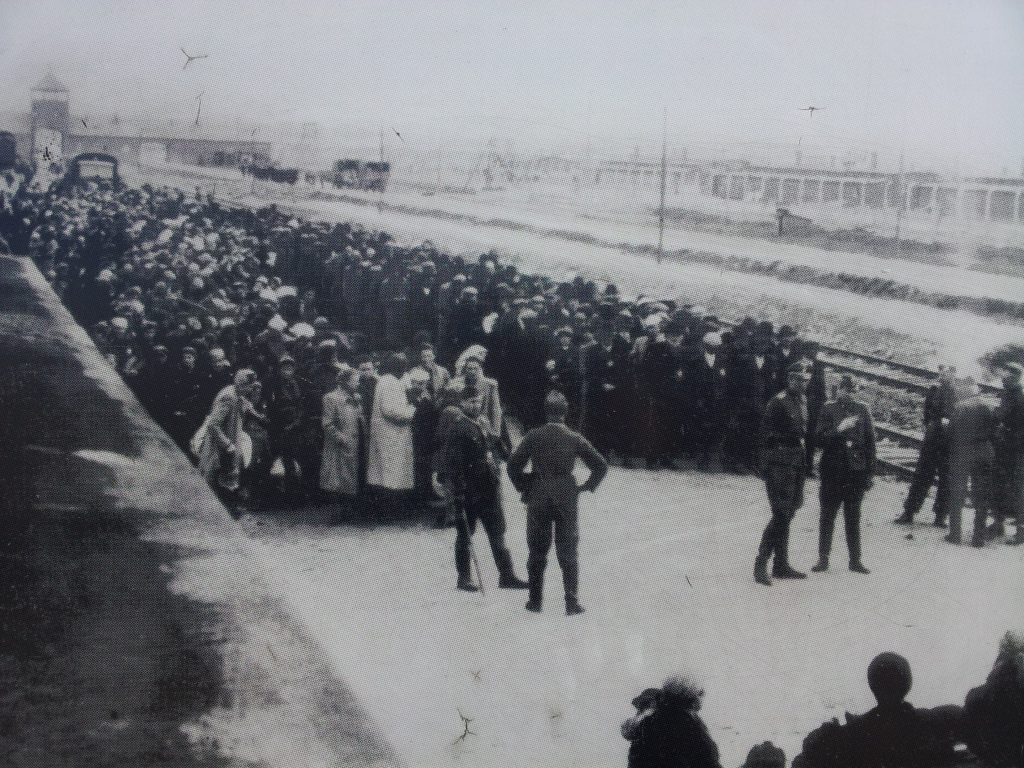
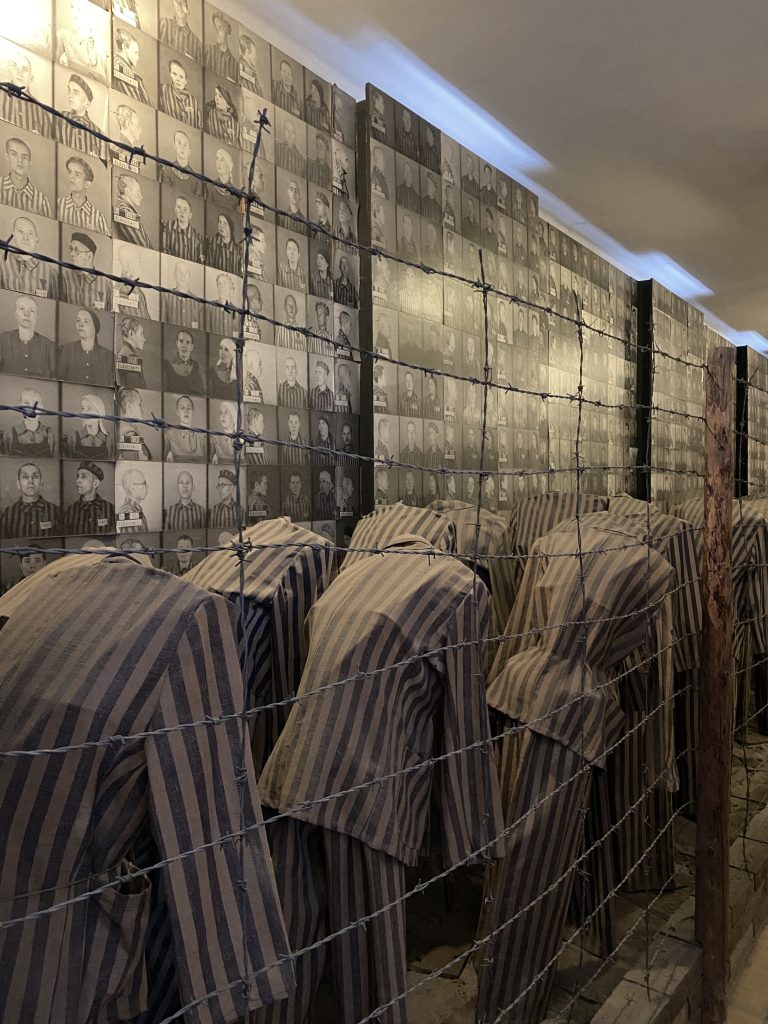
After arriving at the camp, prisoners were subjected to brutal selection. Those who were considered physically fit were sent to work, the rest to the gas chambers.Those who survived the selection lived in inhumane conditions. Forced labor, torture, lack of food and brutal medical experiments. Those who were deemed physically fit were sent to forced labor, while the rest were sent to the gas chambers. Those who survived the selection lived in conditions that were inhumane conditions. Forced labor, torture, lack of food and brutal medical experiments were just a few aspects of their daily lives.
Dampness, lice, rats and epidemics of infectious diseases presented further challenges for prisoners. Barracks without windows. There was no electric lighting and hygiene was difficult.
Liberation of Auschwitz
January 27, 1945 is the day when soldiers of the 60th Army of the First Front of the Ukrainian Army opened the gates of Auschwitz, putting an end to the cruelty of the Nazi regime
Present times
After the war, in 1947, the Auschwitz-Birkenau Museum was established on the site of the former camp to commemorate the victims and educate about the Holocaust. This museum is an important testimony to history and a reminder of the need to remember and prevent similar tragedies in the future.
Auschwitz-Birkenau is a symbol not only of Nazi atrocity, but also of human persistence and perseverance in the face of suffering. Its history reminds us of the importance of countering intolerance and building societies based on respect for human rights. Let Auschwitz-Birkenau be a warning against oblivion and indifference to evil.
Guided tours allow you to better understand the historical context and the fate of prisoners. Tickets can be booked online, making it easier to organize your visit.