What is the Auschwitz Museum?
The Auschwitz-Birkenau Museum is one of the most important memorial sites in the world, commemorating the victims of the Holocaust and the atrocities of World War II. It is located on the site of the former Nazi concentration and extermination camp Auschwitz, located in Oświęcim, approximately 70 kilometers west of Krakow. This is a place that for millions of people around the world has become a symbol of destruction, suffering and unimaginable cruelty that took place during World War II.
History of Auschwitz
The Auschwitz camp was founded by the Nazis in 1940 and initially served as a concentration camp for Polish political prisoners. Over time, it grew into a complex of three main camps: Auschwitz I, Auschwitz II-Birkenau and Auschwitz III-Monowitz, along with over 40 sub-camps. In the years 1942-1944, Auschwitz became one of the main centers for the extermination of European Jews as part of the “Endlösung” (Final Solution) plan.
It is estimated that approximately 1.1 million people died at Auschwitz, 90% of whom were Jews. The victims also included Poles, Roma, prisoners of war and other groups persecuted by the Nazi regime. In January 1945, just before the Red Army liberated the camp, the Nazis tried to destroy evidence of their crimes by destroying some objects and documents.
Auschwitz-Birkenau Museum: What will you see?
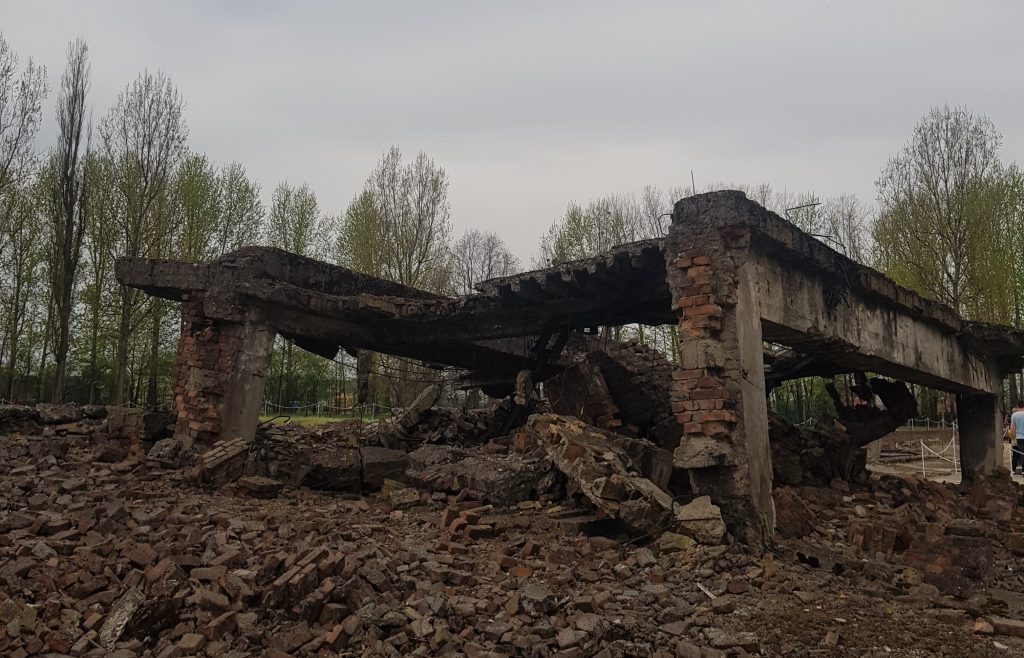
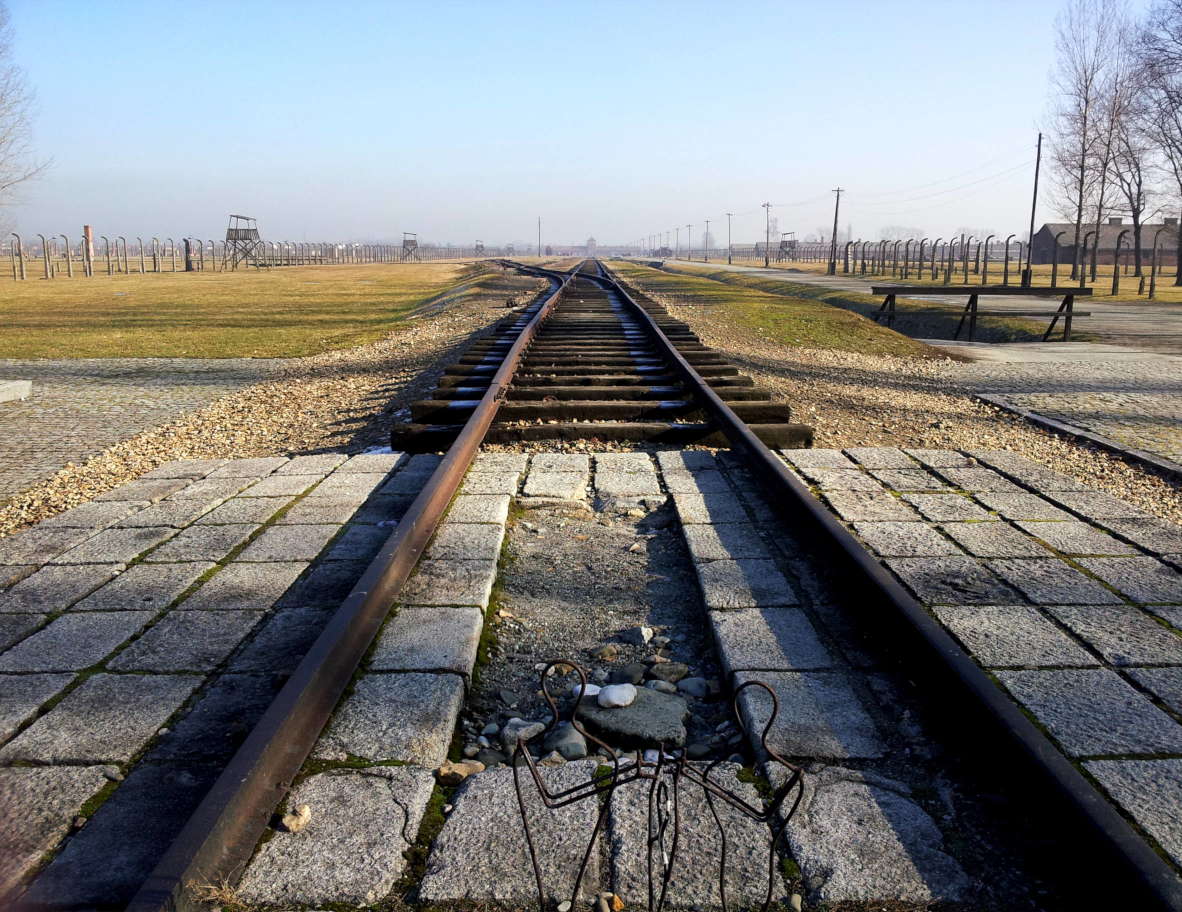
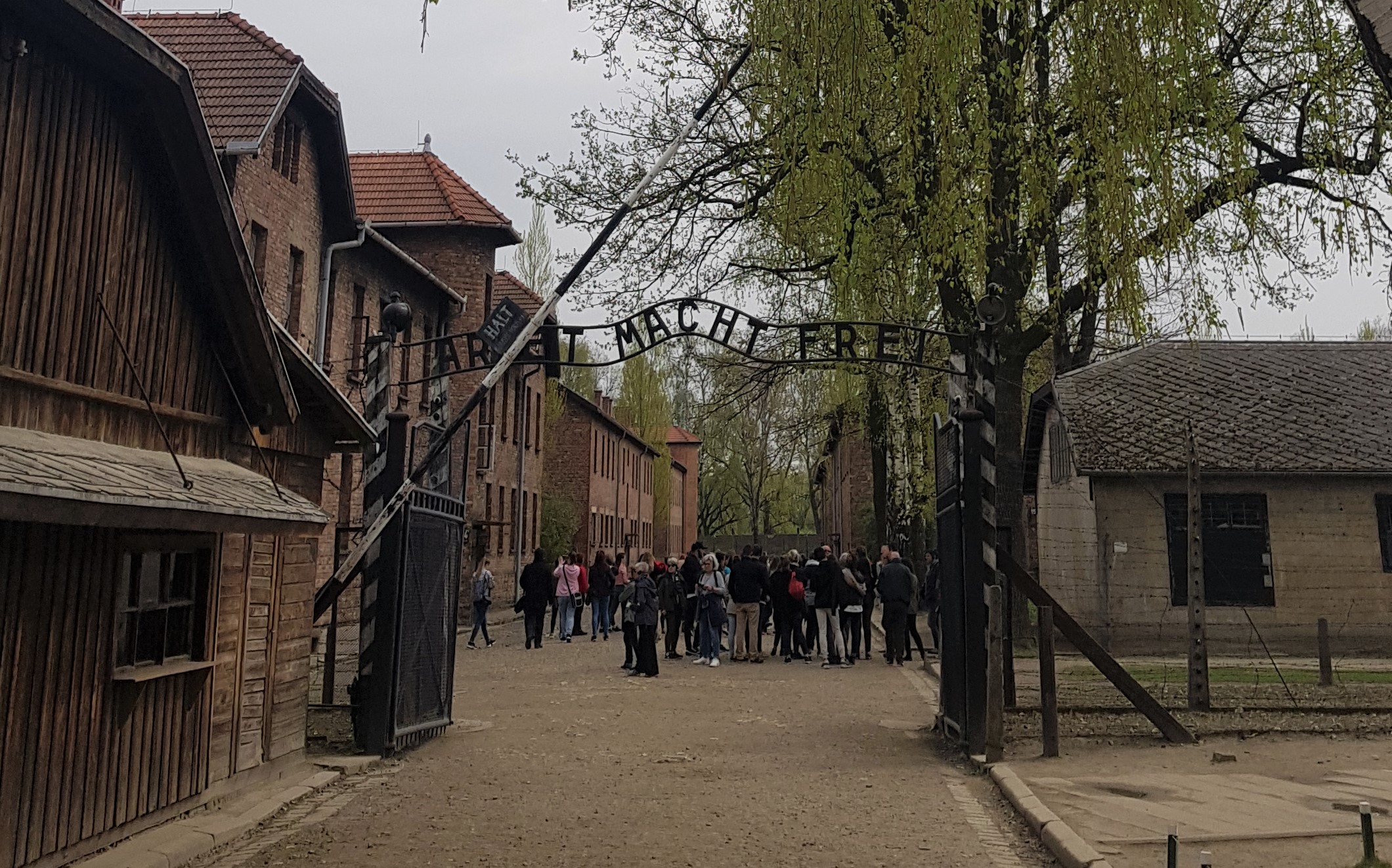
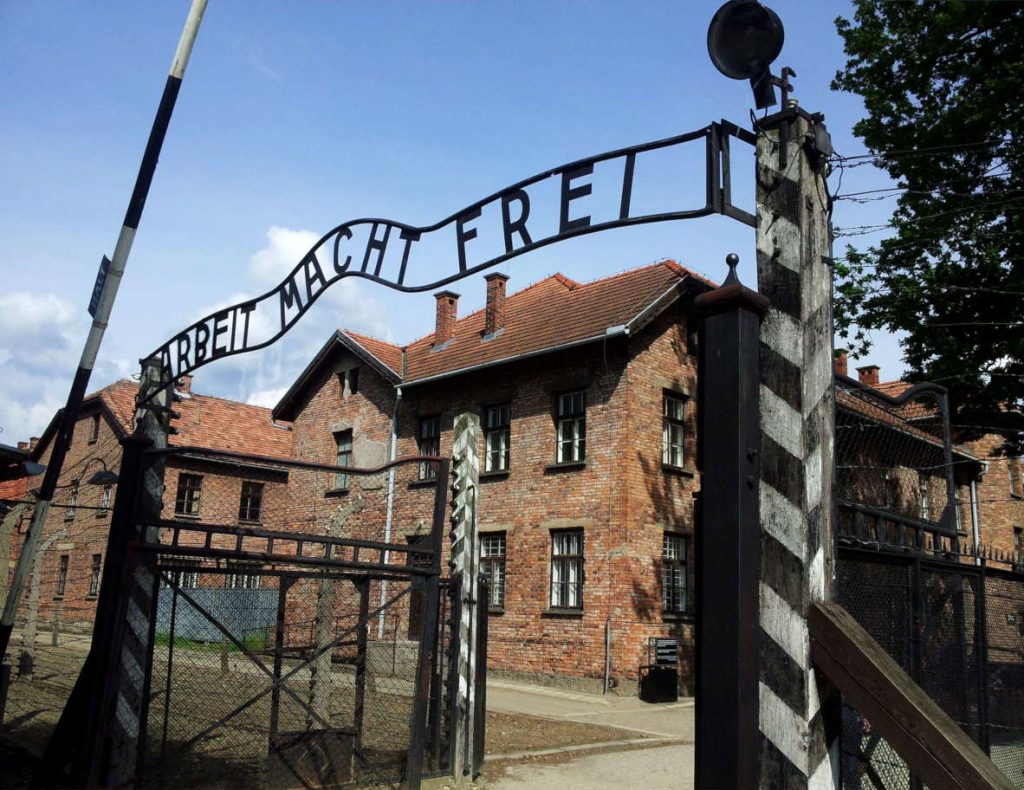
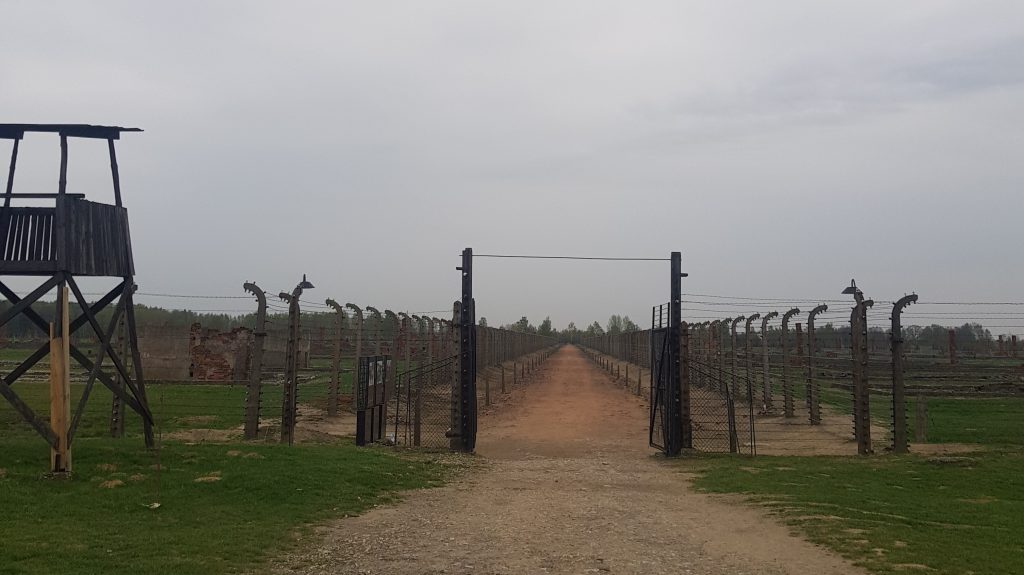
The Auschwitz-Birkenau Museum was established in 1947 to commemorate the victims and preserve the memory of the tragedy that took place there. The museum complex includes two main areas: Auschwitz I, where there are former prisoner barracks, administrative blocks and crematoria, and Auschwitz II-Birkenau, where the main gas chambers and crematoria were located, as well as extensive camp areas with barracks and a railway ramp on which newly arrived prisoners were selected.
During a visit to the museum, visitors have the opportunity to see the original camp buildings, artifacts belonging to the victims, such as suitcases, shoes, glasses and other personal items, as well as thematic exhibitions that document the history of the camp and the fate of its prisoners. A particularly moving place is the “Death Block” (Block 11) and the ruins of the crematoria in Auschwitz II-Birkenau.
Why is it worth visiting the Auschwitz Museum with a guide?
Although the Auschwitz-Birkenau Museum is available for individual visits, it is definitely worth considering a guided tour. There are several reasons why this option may be more valuable and enriching.
A deeper understanding of history: Guides are experts who have in-depth knowledge of the history of the camp, its functioning and the fate of the prisoners. Thanks to them, visitors can better understand the historical context and the importance of individual places and exhibits.
Personal stories: Guides often talk about specific people who have passed through the camp, sharing their stories and memories. These personal narratives help visitors better empathize with the tragedy that befell millions of people and understand the human aspects of it.
Structure of the tour: Guided tours are organized and structured, which allows for efficient use of time. Guides lead groups through the most important points of the camp, ensuring that no important part is missed.
Questions and answers: When visiting with a guide, you have the opportunity to ask questions and get immediate answers. This interactive experience allows you to better understand and reflect on what you see.
Practical information for visitors
Opening hours: The Auschwitz-Birkenau Museum is open all year round, except January 1, December 25 and the first day of Easter. Opening hours may vary depending on the season, so it is worth checking the current information on the museum’s official website in advance.
Tickets: Admission to the museum is free, however, due to the large number of visitors, it is recommended to book tickets online in advance. Guided tours are subject to a fee and require prior reservation. Ticket prices for guided tours vary depending on the language and length of the tour.
Access: The Auschwitz-Birkenau Museum is located in Oświęcim, which can be reached by train or bus from Krakow. The journey takes approximately 1.5 hours. Parking spaces for cars and buses are available on site.
Recommendations: Visiting the camp can be emotionally difficult, so it is important to be prepared for what you will see. Comfortable footwear is recommended as the tour route covers a large area. Photography is allowed in most places, but with respect to the memory of the victims.
A visit to the Auschwitz-Birkenau Museum is an extremely important and moving experience that allows for a deeper understanding of the tragedy of the Holocaust and the atrocities of World War II.