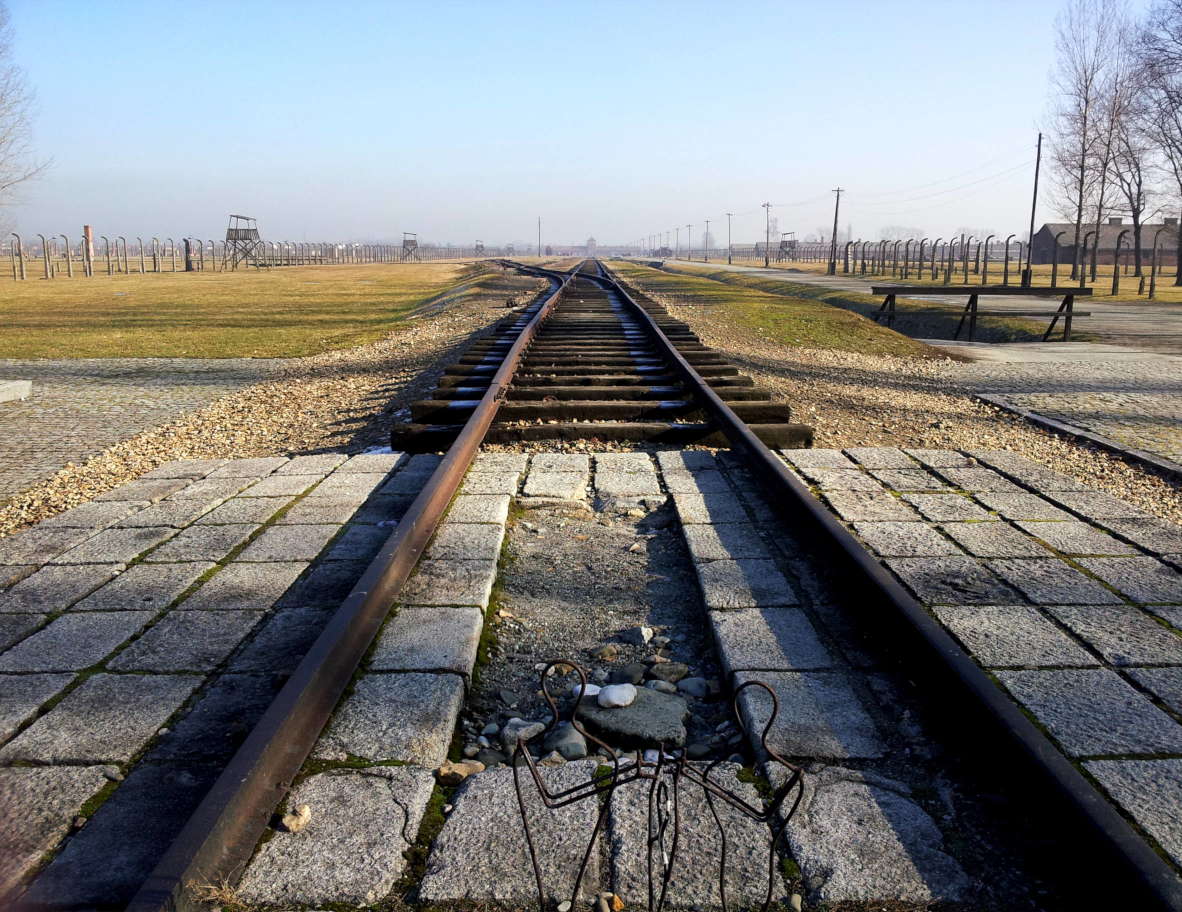
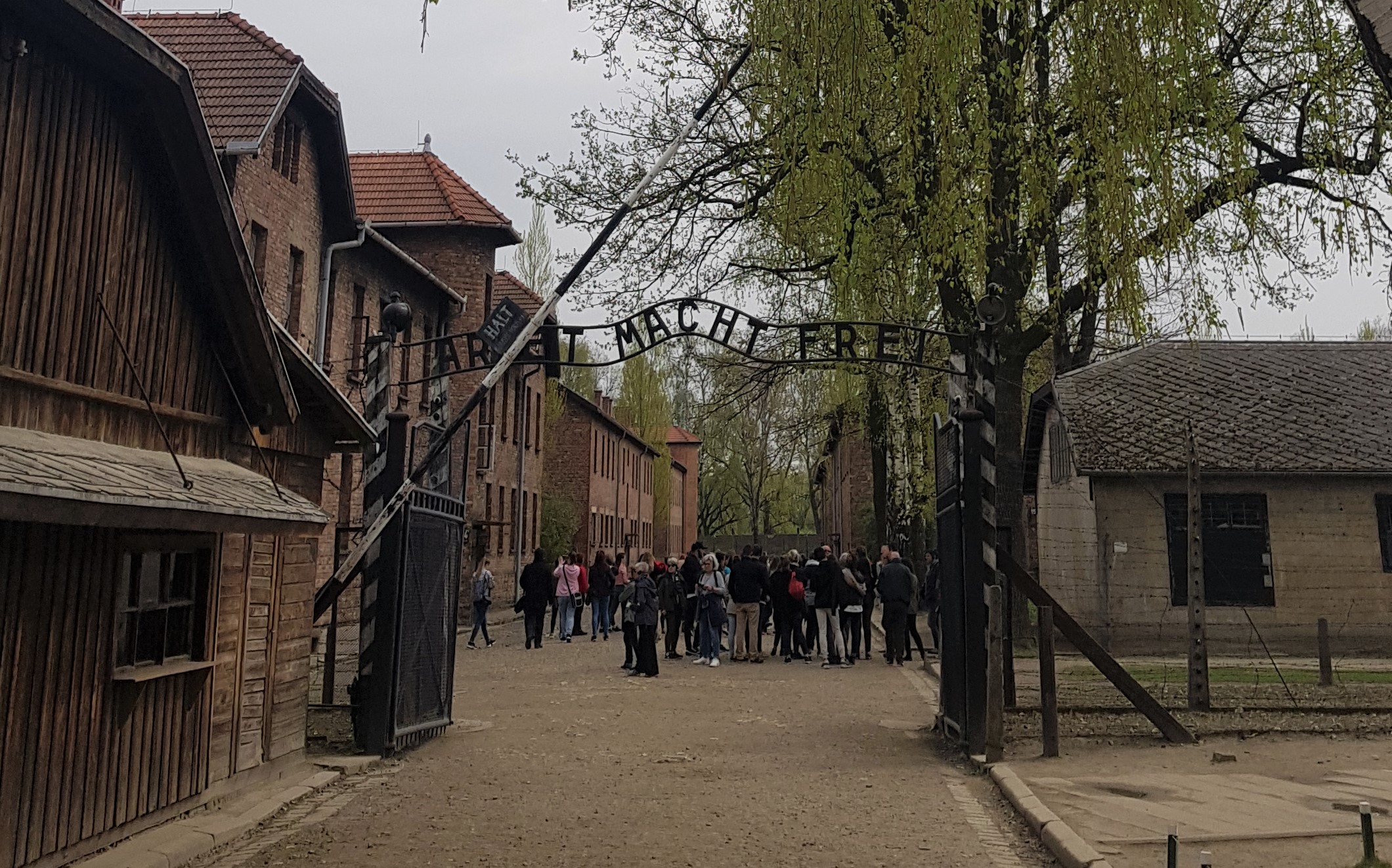
The Auschwitz-Birkenau concentration camp, a site of profound historical significance, is a place that evokes deep reflection and a somber understanding of humanity’s past. Visiting Auschwitz is not just an excursion into history; it is a journey into the heart of collective memory. For those contemplating this tour, booking Auschwitz tickets and choosing to explore with a guide can transform this experience from a mere tour into a meaningful engagement with history.
The Historical Significance of Auschwitz
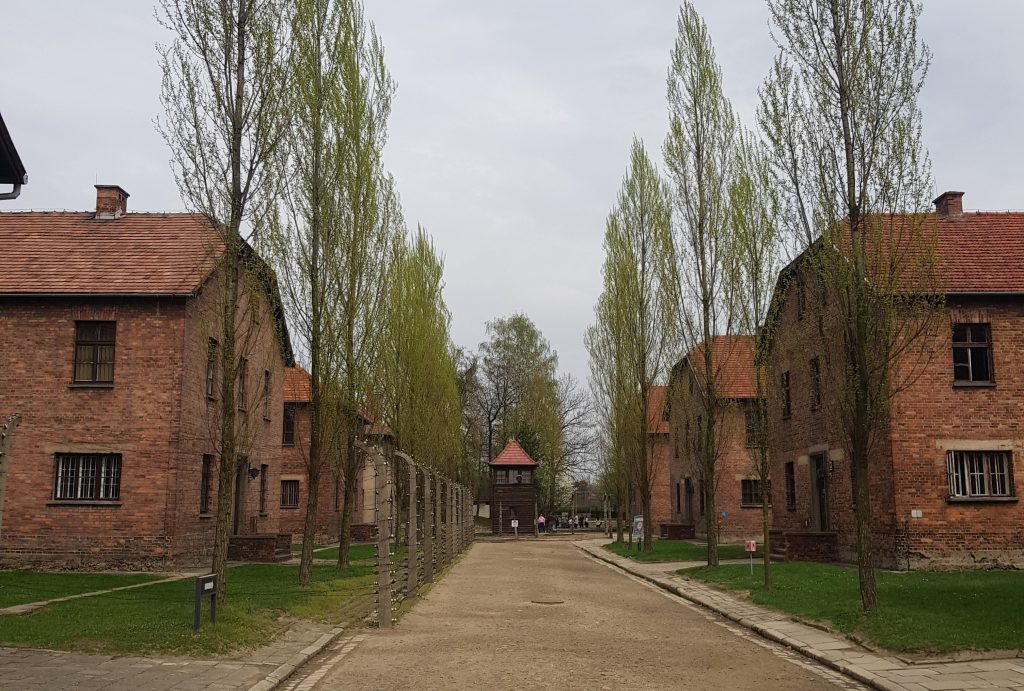
Auschwitz stands as one of the most potent symbols of the Holocaust, where over a million Jews, along with Poles, Roma, Soviet POWs, and other victims, perished. The camp’s liberation in January 1945 marked the beginning of the world’s awareness of the full extent of Nazi atrocities. Visiting Auschwitz is essential for understanding the scale and systematic nature of these crimes. The preserved artifacts, barracks, and gas chambers serve as poignant reminders of the industrialized brutality that took place. Each visit underscores the importance of remembering these events to prevent such horrors from occurring again.
The Role of Memory in Preserving History
Memory plays a crucial role in how societies remember and learn from their past. Auschwitz is a focal point for Holocaust remembrance, ensuring that future generations grasp the reality of these events beyond textbooks and documentaries. By visiting Auschwitz, individuals contribute to the collective act of remembrance. This act is crucial, especially in an era where misinformation and denialism can distort historical facts. When you explore with a guide, you gain access to in-depth knowledge and personal stories that enrich your understanding and appreciation of the site’s historical context.
The Educational ecperience of Visiting Auschwitz
Educational visits to Auschwitz are transformative. They provide an unparalleled educational experience, bridging the gap between theoretical knowledge and emotional understanding. Schools and universities often organize trips to Auschwitz to provide students with firsthand insight into the Holocaust’s impact. Exploring with a guide enhances this experience by providing detailed historical narratives and personal accounts that textbooks cannot convey. Guides offer context that links the exhibits to broader historical themes, making the visit a powerful educational tool.

Auschwitz as a Place of Reflection and Responsibility
Visiting Auschwitz is not just about learning history; it is also a deeply personal journey of reflection. Walking through the camp, seeing the remnants of lives cut short, and understanding the magnitude of the suffering endured forces visitors to confront uncomfortable truths about humanity. It is a reminder of the consequences of hatred, bigotry, and indifference. This reflection fosters a sense of responsibility among visitors to advocate for tolerance, human rights, and the prevention of future atrocities. Auschwitz is a call to action for all who visit, urging them to remember and to act.
Practical Tips for Visiting Auschwitz
To fully appreciate the significance of Auschwitz, proper planning is essential. Purchasing Auschwitz tickets in advance ensures a smooth visit, as the site sees a large number of visitors daily. Opting to explore with a guide is highly recommended. Guides provide detailed explanations, answer questions, and share stories that bring the site’s history to life. It’s advisable to wear comfortable shoes and dress appropriately for the weather, as the tour involves significant walking. Finally, approach the visit with a respectful mindset, understanding the gravity of the site’s history and the memory it preserves.
In conclusion, Auschwitz is more than a historical site; it is a vital space for memory, education, and reflection. Buy tickets and choosing to explore with a guide can profoundly enhance your understanding for this Memorial place.